


Best Intel Processor for Gaming PC in India (2026 )

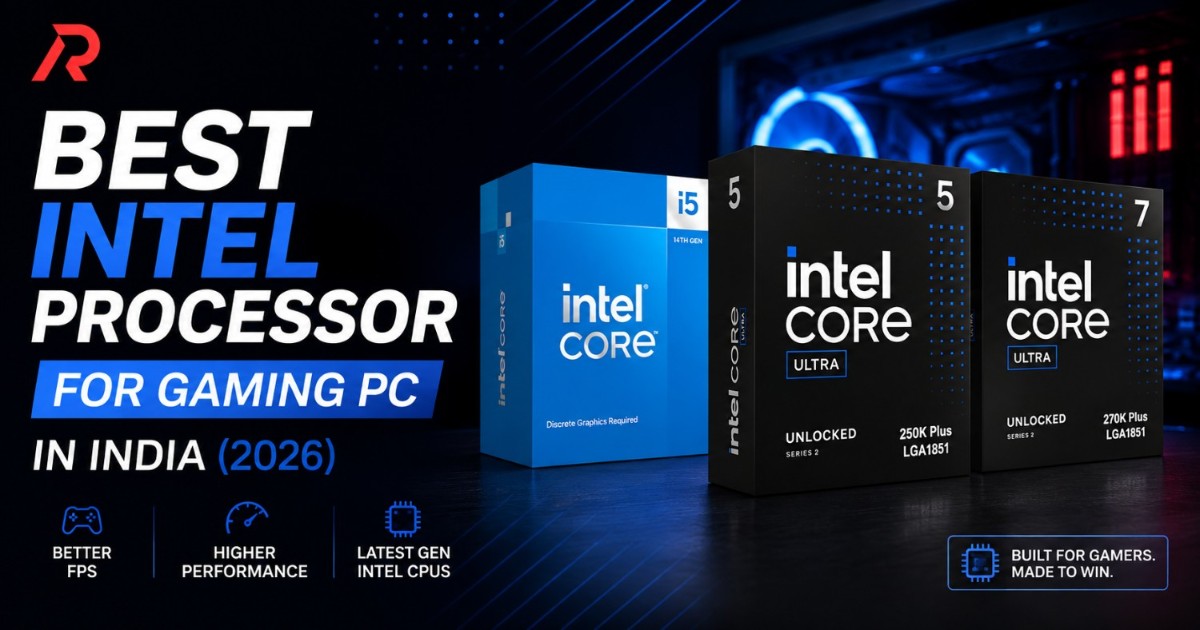
If you've spent any time searching for the best Intel processor for gaming PC builds recently, you have probably run into the same problem we did while researching this piece: half the guides ranking on page one are still recommending 12th and 13th generation chips as if nothing shipped since 2022. The best Intel processor for gaming PC today looks different from what it did even a year ago, because Intel refreshed its Core Ultra 200 desktop lineup in March 2026 and pushed real gaming gains into chips priced under $300. Anyone comparing the best Intel processor for gaming PC options right now needs the newer Core Ultra 200S Plus chips in that conversation, not just the 14th gen parts everyone already knows.
This guide covers chips that are genuinely current: the Core Ultra 200S and Core Ultra 200S Plus desktop processors, plus the 14th generation chips still worth buying for a cheaper LGA1700 platform. We left out 12th and 13th generation Intel CPUs on purpose, since neither is a sensible pick for a new build anymore even where stores still stock them. If you already know you want Intel over AMD and just need the shortlist, here is the best Intel processor for gaming PC lineup built around what Intel sells today, priced against current stock in India rather than US list prices.
What to check before you pick a chip
Four things separate the best Intel processor for gaming PC from merely a good one: core and thread count, boost clock, socket, and memory support. More cores help with streaming and background tasks rather than raw frame rates on their own. Boost clock shapes how a game feels in CPU-heavy moments, like a crowded lobby or a busy open-world city. Socket locks you into a motherboard generation, so switching later usually means buying a new board too, not just a new chip. Memory support is the quiet dealbreaker, since the newer Core Ultra chips only run DDR5, which changes your total build cost even when the processor itself looks affordable.
| Factor | What it means | Why it matters |
|---|---|---|
| Core and thread count | Number of processing cores and the threads they can run | More cores help multitasking and background load, not pure FPS |
| Boost clock | Peak speed the chip can reach under load | Higher clocks help CPU-heavy games and competitive titles |
| Socket and platform | LGA1700 (older) versus LGA1851 (current) | Decides which motherboards and RAM you can use |
| Memory support | DDR4 versus DDR5 | Core Ultra 200 series requires DDR5, which raises platform cost |
Best budget pick: Intel Core i5-14400F
Budget pickThe Core i5-14400F, priced at ₹17,499, remains the chip most first-time gaming PC buyers land on, and for good reason. Independent testing across game benchmarks puts it in the 100 to 160 FPS range across popular titles at 1080p with a mid-range GPU, and it holds up especially well in competitive shooters, with Counter-Strike 2 regularly running well above 200 FPS average and 1% lows staying above 144 FPS. That's more than enough for a 144Hz monitor, and it comes on the older LGA1700 platform, which means a DDR4 board and RAM stay usable.
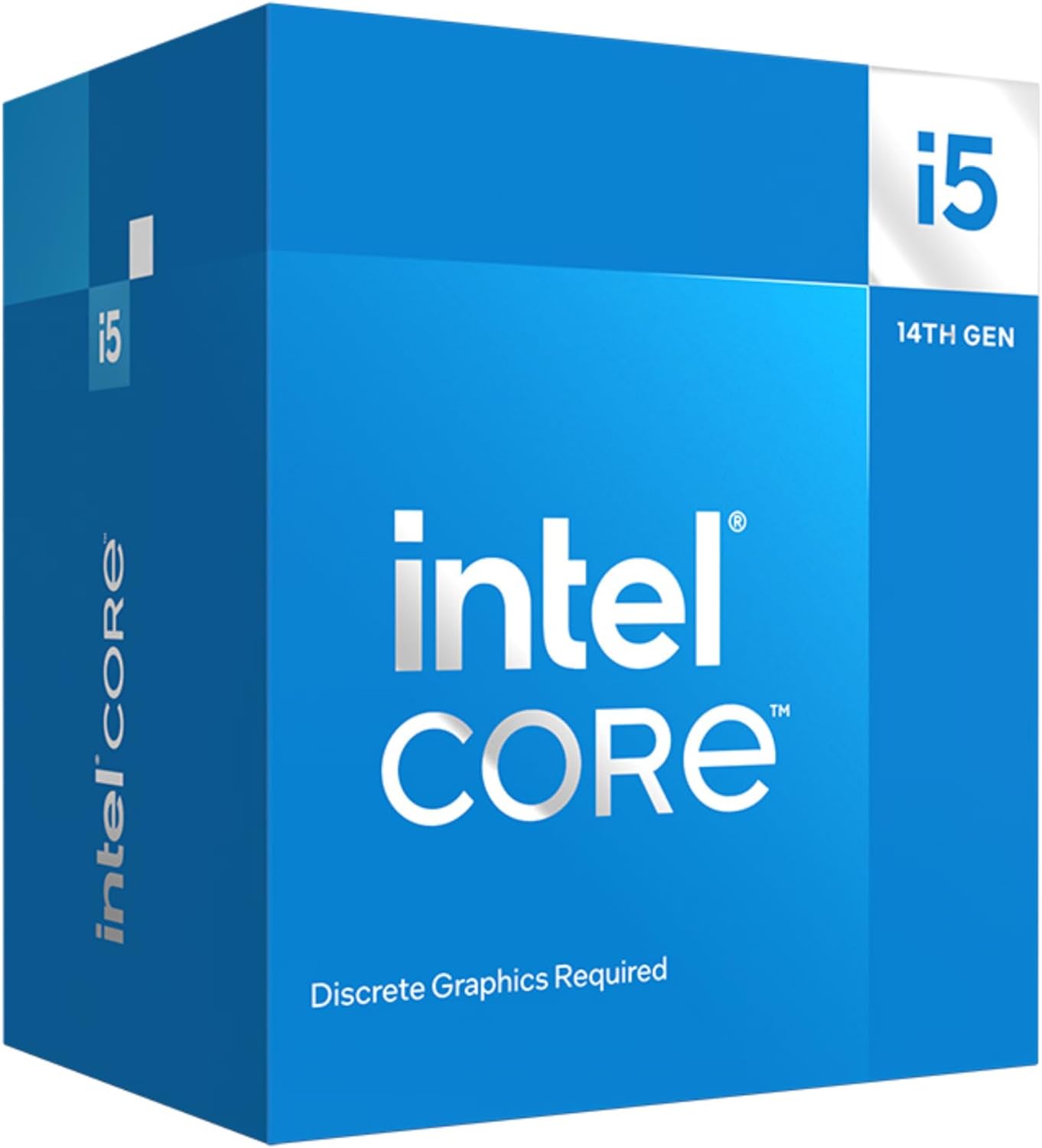
- 10 cores (6 performance, 4 efficiency), 16 threads
- LGA1700 socket, works with DDR4 or DDR5 boards
- Best suited to 1080p gaming and competitive titles
- No integrated graphics, so budget for a discrete GPU
Best current-gen value pick: Core Ultra 5 250K Plus
Value pickAt ₹27,895 (or ₹24,489 for the graphics-free 250KF Plus), the Core Ultra 5 250K Plus is the chip that finally makes Intel's Core Ultra platform worth recommending at this price point. Reviewers testing it against Intel's own previous-generation Ultra 5 245K found gaming gains in the 5 to 12 percent range depending on the title, and it comes close to matching AMD's Ryzen 5 9600X in average FPS while pulling ahead noticeably in 1% lows, which is the number that decides whether a game feels smooth during a busy fight or not. Reviewers also noted it lands close to the older Core i5-14600K in gaming, at a lower price.
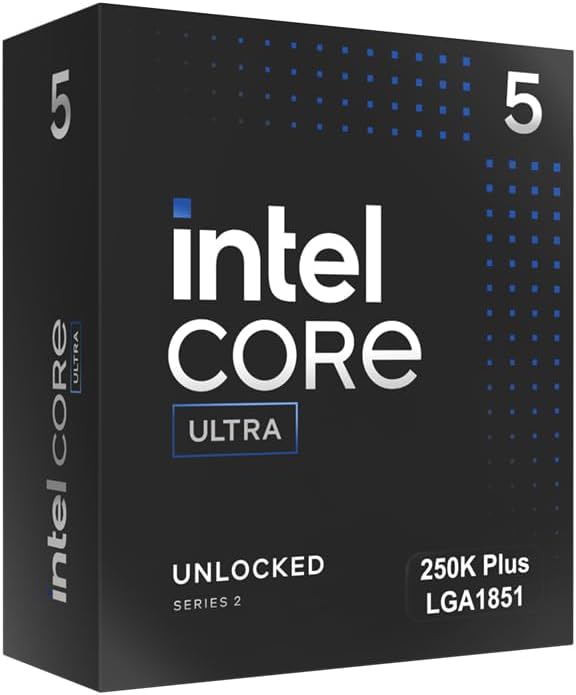
- 18 cores (6 performance, 12 efficiency), 18 threads
- LGA1851 socket, DDR5 memory required
- Solid pick for 1080p and 1440p gaming with headroom for multitasking
- Weaker than AMD's X3D chips in the most competitive esports titles, stronger everywhere else
Best current-gen performance pick: Core Ultra 7 270K Plus
Performance pickAt ₹36,999, the Core Ultra 7 270K Plus is where the newer Intel lineup gets genuinely impressive. In a 14-game test suite, it delivered average frame rates virtually identical to the previous-generation Core i9-14900K, roughly 3 percent ahead of AMD's Ryzen 7 9700X on average, and around 8 to 13 percent ahead of its own predecessor, the Core Ultra 7 265K. In multi-threaded productivity work, the gap widens further, with reviewers measuring gains of well over 100 percent compared to the 265K in some workloads. It still trails AMD's Ryzen 7 9800X3D by around 20 to 24 percent in pure gaming FPS, so if competitive frame rates are the only thing that matters, that chip remains the one to beat.
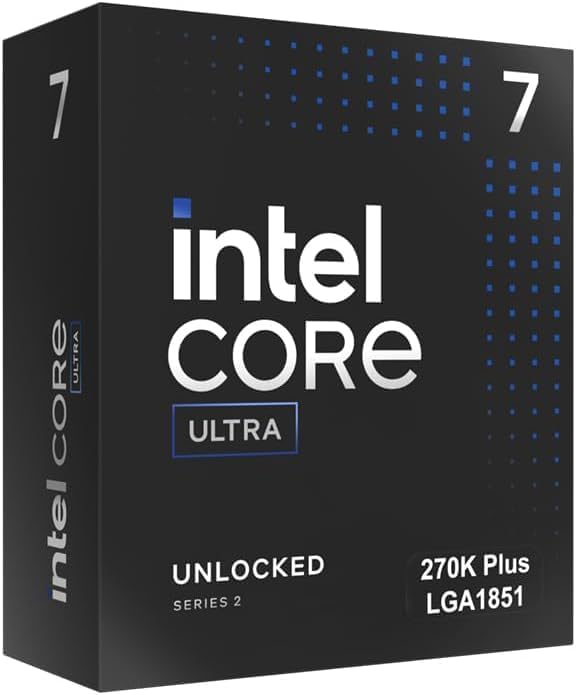
- 24 cores (8 performance, 16 efficiency), 24 threads
- LGA1851 socket, DDR5 memory required
- Comfortable at 1440p and 4K, plus strong for streaming or editing on the side
- Best value in Intel's current lineup for buyers who game and do heavier work on the same PC
Compare live pricing on all three picks
Stock and prices shift often. Check today's listing for the i5-14400F, Core Ultra 5 250K Plus, and Core Ultra 7 270K Plus before you decide.
Is the Core Ultra 9 285K still worth buying?
FlagshipAt ₹58,499, the Core Ultra 9 285K is technically still Intel's flagship, since it never received a "Plus" refresh the way the 5 and 7 tiers did. That leaves it in an odd spot: in several gaming benchmarks, the newer and far cheaper Core Ultra 5 250K Plus and Core Ultra 7 270K Plus keep pace with it or edge ahead, since the refresh chips picked up more E-cores and faster internal communication. Unless you specifically need the 285K's extra headroom for heavy production work, the 270K Plus is the more sensible buy for a gaming-first build right now.
How these chips perform in real gaming tests
| Processor | Typical 1080p gaming result | How it compares |
|---|---|---|
| Intel Core i5-14400F | 100–160 FPS across popular titles, 200+ FPS in Counter-Strike 2 | Best value for straightforward 1080p and esports gaming |
| Intel Core Ultra 5 250K Plus | ~107–120 FPS in Baldur's Gate 3 at 1080p | Close to the older i5-14600K, ahead of AMD's Ryzen 5 9600X |
| Intel Core Ultra 7 270K Plus | ~206 FPS average across a 14-game suite (1080p medium) | Matches the i9-14900K, about 3% ahead of the Ryzen 7 9700X |
| Intel Core Ultra 9 285K | Comparable to or slightly behind the 250K Plus in several titles | Still strong for production work, less compelling for gaming alone |
| AMD Ryzen 7 9800X3D (for reference) | ~256 FPS average in the same 14-game suite | Fastest pure gaming chip on the market, at a higher price and on AMD's platform |
Budget band, at a glance
| Budget in India | Recommended chip | Why |
|---|---|---|
| Under ₹18,000 | Core i5-14400F | Best price to performance for 1080p and esports gaming |
| ₹24,000 to ₹28,000 | Core Ultra 5 250K Plus or 250KF Plus | Current platform, strong 1080p/1440p performance |
| ₹35,000 to ₹40,000 | Core Ultra 7 270K Plus | Best all-round pick for gaming plus heavier workloads |
| ₹55,000 and above | Core Ultra 9 285K | Only if you need extra headroom for production work |
Don't want to pay all at once?
Split the cost of your build with Bajaj EMI instead of paying the full price upfront.
A quick word on Intel vs AMD at these price points
AMD's Ryzen 5 and Ryzen 7 X3D chips remain the frame rate leaders in the most competitive titles, and that gap is real, not marketing. Where Intel's newer Core Ultra 200S Plus chips close the distance is everywhere else: multi-threaded productivity, price at the ₹25,000 to ₹40,000 range, and platform cost if you're starting fresh rather than upgrading an existing AMD system. Our Ryzen 5 vs Intel Core i5 real-world comparison and our broader Intel vs AMD breakdown go deeper into where each brand pulls ahead.
Matching the CPU to a GPU that won't hold it back
None of these chips matter much on their own. A Core Ultra 7 270K Plus paired with an entry-level GPU is wasted money, and a Core i5-14400F paired with a flagship card will hold that card back at 1080p. Our best CPU pairings for the RTX 5060 without bottlenecking and our best GPU-CPU combos for every budget guides break this down by price tier if you're building the whole system rather than swapping one part.
Platform choice matters just as much here. Moving to Core Ultra 200S or 200S Plus means a new LGA1851 motherboard and DDR5 memory, which adds real cost on top of the CPU price. Our guide to choosing the right motherboard for gaming covers what to check before adding one to your cart, especially if you're weighing a cheaper LGA1700 build against a newer LGA1851 one.
Ready to pick your processor?
Browse the full Intel lineup to check current stock and pricing, since availability shifts often enough that the numbers above will drift over the coming months. If the upfront cost is the sticking point rather than the chip itself, spread the payment with Bajaj EMI instead.
We've also covered this from a broader angle in our roundup of the best Intel CPUs across different budgets, which is worth reading alongside this one if you're deciding between two tiers, along with our price guide for what a good gaming PC costs in India if you're planning the whole build rather than just the processor.
Frequently asked questions
What is the best Intel processor for a gaming PC right now?
For most 1080p gamers, the Intel Core Ultra 5 250K Plus at ₹27,895 offers the best mix of current-generation platform and price. Budget builders are still well served by the Core i5-14400F at ₹17,499, and anyone gaming at 1440p or above with heavier multitasking should look at the Core Ultra 7 270K Plus at ₹36,999.
Is the Core Ultra 5 250K Plus better than the older Core Ultra 5 245K?
Yes. Independent testing shows gaming gains of roughly 5 to 12 percent over the 245K depending on the title, along with noticeably better 1% lows, which means fewer frame dips during busy scenes. It replaced the 245K as Intel's main mid-range recommendation after launching in March 2026.
Is the Intel Core i7-14700K still worth buying with newer chips available?
It remains a strong performer and, in several benchmarks, matches or beats the newer Core Ultra 7 270K Plus in raw average FPS. The main reason to still consider it is platform cost: it uses the older, cheaper LGA1700 socket, so the total build cost can come in lower even if the CPU price is similar.
Should I choose the Core Ultra 7 270K Plus or the Core Ultra 9 285K?
For most gaming builds, the Core Ultra 7 270K Plus is the better choice. It costs less, keeps pace with the 285K in several gaming benchmarks, and only falls behind for heavy production workloads where the 285K's extra cores and cache make a bigger difference.
Do I need a new motherboard for Core Ultra 200 series chips?
Yes. Core Ultra 200S and 200S Plus processors use the LGA1851 socket and require DDR5 memory, so an existing LGA1700 or DDR4 setup won't work with them. If you already own a compatible LGA1700 board and DDR4 or DDR5 memory, a 14th generation chip like the i5-14400F or i7-14700K avoids that extra platform cost entirely.