





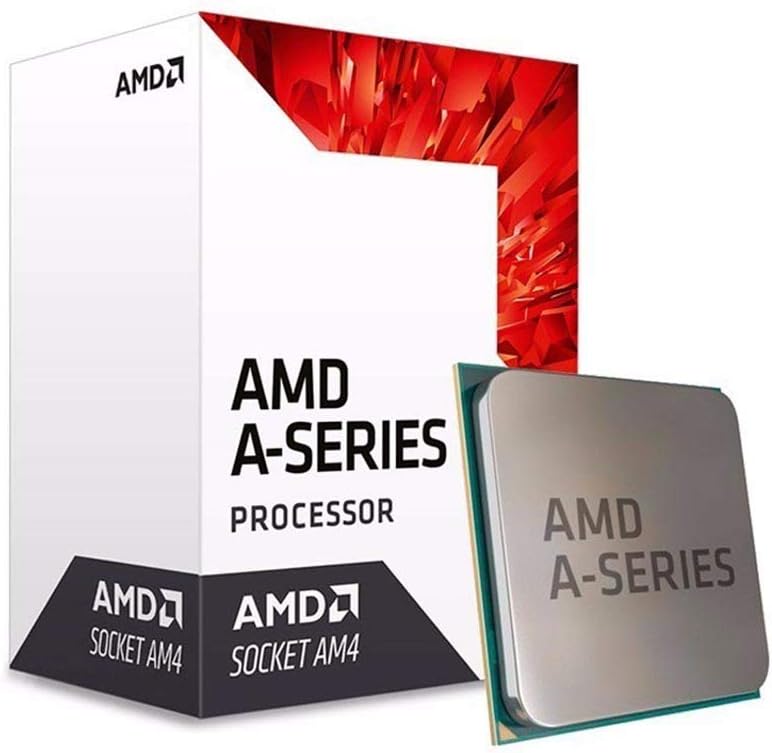
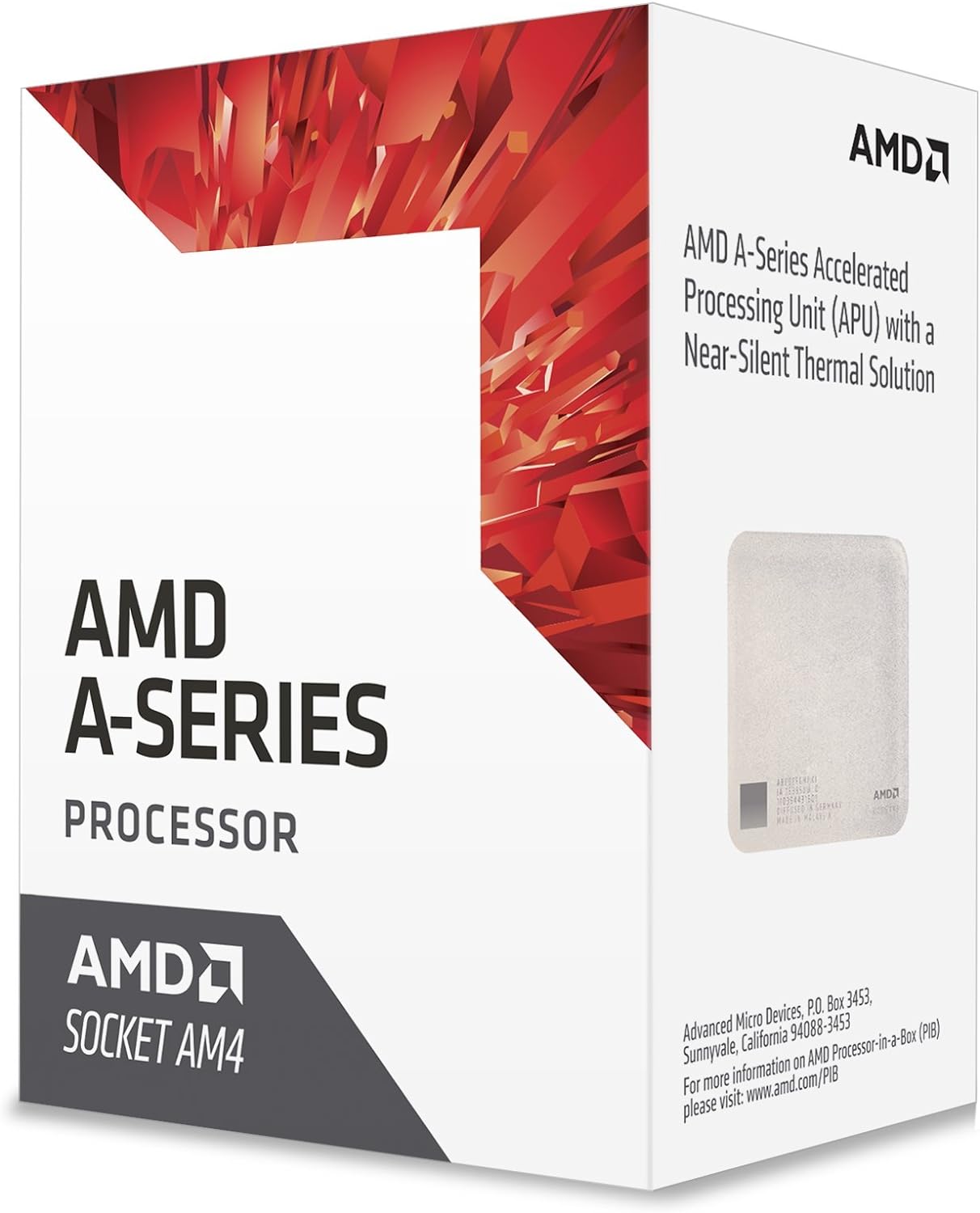
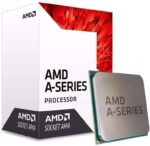
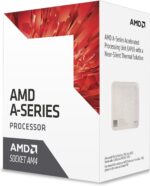



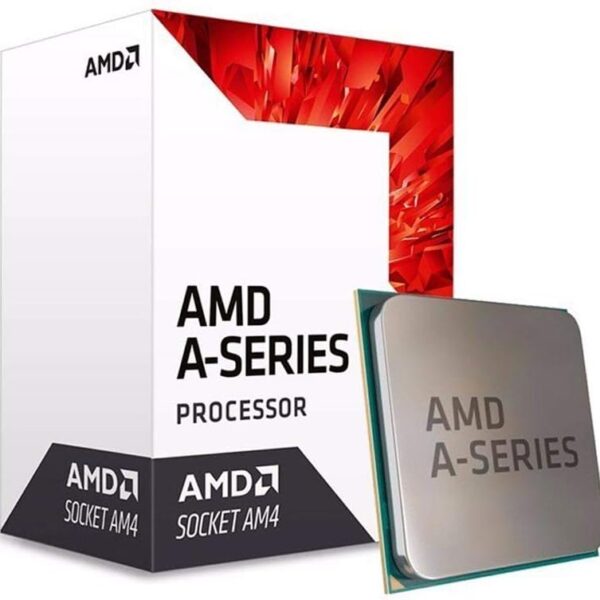
AMD A8-9600 APU | 7th Gen Quad-Core AM4 Processor
Building a functional computer on a shoestring budget requires heavy compromise. The A8-9600 is an Accelerated Processing Unit (APU) that tackles the cost problem by combining a basic four-core CPU with surprisingly capable onboard graphics. While it shares the AM4 socket with the massively popular Ryzen series, the A8-9600 actually predates the Zen architecture. It relies on the 28nm Excavator core layout, which means it will not win any modern benchmark races. However, raw speed is not why buyers choose this chip today.
The value proposition lies in its ability to turn on a computer, run Windows smoothly, decode high-definition video, and browse the web, all while drawing a highly manageable 65 watts of power. Because it fits into standard A320 and B350 motherboards and utilizes standard DDR4 memory, it allows technicians and home builders to piece together a complete, working desktop using inexpensive, older-generation surplus parts.
KEY FEATURES
- Integrated Radeon R7 Graphics
Bypasses the current high cost of discrete GPUs. The onboard R7 chip is robust enough to handle 1080p video streaming, hardware-accelerated web browsing, and very light gaming-such as older esports titles at 720p-without generating excessive heat. - AM4 Socket Compatibility
Uses the exact same physical socket as early Ryzen processors. This provides a tangible upgrade path; you can build a working computer today with the inexpensive A8-9600, and later swap it out for a much faster Ryzen 5 or Ryzen 7 chip without having to replace the motherboard or RAM. - Four Physical Cores
Many hyper-budget processors from this era only featured two cores. Having four physical cores helps keep the operating system responsive when multitasking, such as running a spreadsheet, keeping multiple browser tabs open, and running background communication apps simultaneously. - DDR4 Dual-Channel Support
Unlike older A-Series chips that relied on slow DDR3 memory, this generation natively supports DDR4 (up to 2400 MT/s). This increased memory bandwidth directly benefits the integrated graphics, preventing system hitching when moving large files or watching high-resolution media.
PERFORMANCE & USAGE
Setting realistic expectations is mandatory with the A8-9600. In a daily workflow consisting of Google Docs, heavy web browsing, and YouTube, the processor feels entirely adequate. It handles standard administrative tasks without frustrating delays.
When you push it harder, the limitations of the 28nm architecture become obvious. Attempting to render video or compile heavy code will take significantly longer than on a modern entry-level chip. Thermally, it is very forgiving. A standard aluminum block cooler keeps the chip well within safe temperatures, meaning you won’t need to invest in loud, high-RPM fans. If you plan to play games, you must accept low resolutions and low graphical presets. The onboard R7 graphics rely heavily on your system RAM, so running two sticks of DDR4 in dual-channel mode is absolutely critical for maintaining smooth video playback and graphical stability.
TARGET AUDIENCE: Strictly budget-conscious PC builders, system integrators assembling volume office machines, and technicians needing a cheap AM4 processor to update motherboards or test system stability. It is also a logical choice for parents building a highly restricted, low-cost homework computer for younger children.
COMPARISON INSIGHTS
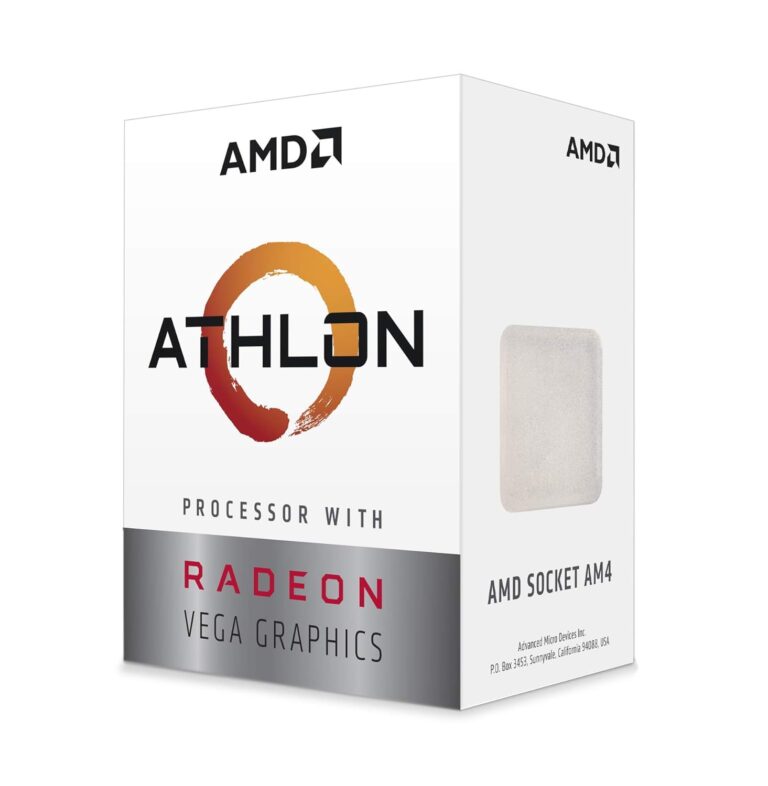
When evaluated against modern budget options like the AMD Athlon 3000G, the A8-9600 shows its age in single-core responsiveness. The Athlon uses the newer Zen architecture, making it faster in single-threaded tasks despite only having two cores. However, the A8-9600 holds an edge in heavy multitasking environments strictly because it has four physical processing cores.
Compared to Intel’s older Pentium Gold series from a similar price bracket, the A8-9600 provides vastly superior integrated graphics. Intel’s UHD graphics struggle with basic 3D acceleration, whereas the Radeon R7 chip allows for smoother media playback and basic creative tasks in applications that support GPU hardware acceleration.
EXPERT RECOMMENDATION
You do not buy the AMD A8-9600 to chase high frame rates or professional rendering speeds. You buy it because you need a computer to simply work right now, for the lowest possible cost. If you have an empty A320 motherboard and some spare DDR4 memory lying around, this APU is the cheapest way to turn those loose parts into a functional desktop. Pair it with a solid-state drive (SSD) to mask the slower CPU speeds, and it will serve as a remarkably reliable engine for basic, everyday computing.
FAQ
- Will this processor work in a B450 or B550 motherboard? Compatibility varies heavily by motherboard manufacturer and BIOS version. While it fits physically in the AM4 socket, many newer B450, B550, and X570 motherboards dropped BIOS support for older Bristol Ridge APUs like the A8-9600 to make room for newer Ryzen chips. It is safest to pair this processor with an older A320 or B350 motherboard.
- Do I need to buy a separate graphics card? No. The processor includes integrated Radeon R7 graphics. As long as your motherboard has display outputs (like HDMI or VGA), you can connect your monitor directly to the motherboard.
- Does it support Windows 11? No. The A8-9600 is not on Microsoft’s official list of supported processors for Windows 11 due to its older architecture. It functions perfectly on Windows 10 and various Linux distributions.
- What speed of RAM should I buy? The processor officially supports DDR4 memory up to 2400 MT/s. Buying faster memory (like 3200 MT/s) is fine, but the system will automatically downclock it to run at 2400 MT/s.
- Can I overclock the A8-9600? Yes, the multiplier is unlocked. However, given the limitations of the older architecture, the minor performance gains from overclocking are rarely worth the increased heat and power consumption.

Reviews
Clear filtersThere are no reviews yet.