


Best NVIDIA Graphics Card for Gaming in 2026 | Avika Retails

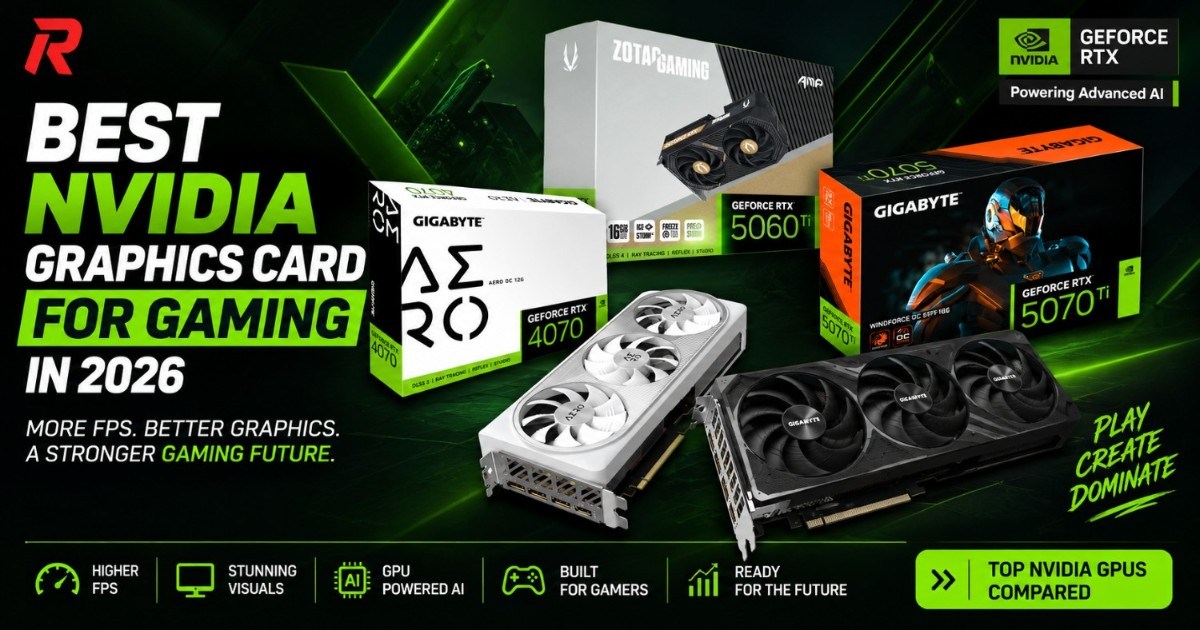
If you're shopping for a new nvidia graphics card in 2026, the lineup splits cleanly into two generations worth considering: the current RTX 50-series, built on NVIDIA's Blackwell architecture, and the still-capable RTX 40-series from the generation before it. Anyone searching for the best graphics card for gaming right now needs to know that NVIDIA has shipped six RTX 50-series tiers since January 2025, from the RTX 5060 at the entry level up to the RTX 5090 flagship, and every one of them is a legitimate nvidia graphics card for a 2026 build. The confusion most buyers run into is assuming older RTX 30-series stock still floating around some listings counts as a reasonable buy; it doesn't, not when RTX 40 and RTX 50-series options exist at similar prices.
This guide picks the best graphics card for gaming at four budget tiers, all pulled from current in-stock listings at Avika Retails rather than outdated pricing. Every nvidia graphics card featured here is either RTX 50-series or RTX 40-series, so nothing recommended is more than one generation behind what NVIDIA sells today. If you already know your budget, jump to the tier that fits. If you're deciding between generations, the key differences below cover what to expect from each.
What is the best NVIDIA graphics card for gaming right now?
For most 1080p and 1440p gamers, the ZOTAC GeForce RTX 5060 Twin Edge OC 8GB at ₹54,999 is the easiest entry point into the current RTX 50-series. If your budget stretches further, the Gigabyte GeForce RTX 5070 Ti WINDFORCE OC V2 16GB at ₹149,999 handles 1440p and 4K comfortably, and the ASUS ROG Astral GeForce RTX 5090 OC Edition at ₹599,999 is the card to get if budget is not the constraint.
RTX 50-series vs RTX 40-series: key differences
- Architecture: RTX 50-series runs on Blackwell; RTX 40-series runs on the older Ada Lovelace architecture.
- Memory: RTX 50-series uses GDDR7 across every tier from the RTX 5060 up; RTX 40-series uses GDDR6X or GDDR6.
- DLSS: RTX 50-series supports DLSS 4 with Multi Frame Generation, exclusive to this generation; RTX 40-series tops out at DLSS 3 frame generation.
- Launch timing: NVIDIA launched the RTX 5090 and RTX 5080 on January 30, 2025, the RTX 5070 Ti and RTX 5070 in February 2025, and the RTX 5060 series in April and May 2025.
- Price-to-performance: RTX 50-series cards are faster tier-for-tier, but the gap over RTX 40-series equivalents is smaller than the generation before it, which keeps well-priced RTX 40-series cards relevant.
| Tier | RTX 50-series (current) | CUDA cores | VRAM | RTX 40-series (1 gen old) |
|---|---|---|---|---|
| Flagship | RTX 5090 | 21,760 | 32GB GDDR7 | RTX 4090 |
| High-end | RTX 5080 | 10,752 | 16GB GDDR7 | RTX 4080 |
| Upper mid-range | RTX 5070 Ti | 8,960 | 16GB GDDR7 | RTX 4070 Ti |
| Mid-range | RTX 5060 Ti | 4,608 | 8GB or 16GB GDDR7 | RTX 4060 Ti |
| Entry | RTX 5060 | 3,840 | 8GB GDDR7 | RTX 4060 |
How much faster is the RTX 50-series in real games
Independent testing backs up the generational jump, though the size of the gain varies a lot by tier and title.
| Comparison | Typical gaming uplift | Resolution tested |
|---|---|---|
| RTX 5060 vs RTX 5060 Ti (same generation) | ~16% | 1440p |
| RTX 5060 Ti vs RTX 4060 Ti | 13% to 27% | 1440p |
| RTX 5070 Ti vs RTX 4070 Ti Super | 9% to 16% | 1440p |
| RTX 5090 vs RTX 4090 | 20% to 33%, up to 50% in some titles | 4K |
A few concrete examples from published benchmarks make the pattern clearer:
| Card | Test | Average FPS | vs previous generation |
|---|---|---|---|
| RTX 5070 Ti | 1440p Ultra, multi-game test suite (GamersNexus) | 187 FPS | +9% vs RTX 4070 Ti Super (172 FPS) |
| RTX 5090 | 4K Ultra, Final Fantasy XIV | 182 FPS | +31% vs RTX 4090 (~139 FPS) |
| RTX 5090 | 4K Ultra, God of War Ragnarök | 195 FPS | +36% vs RTX 4090 (143 FPS) |
The pattern across all of this: the RTX 50-series pulls further ahead at higher resolutions and in ray-traced or DLSS 4 titles, while the gap narrows at 1080p, where the CPU often becomes the bottleneck before the GPU does.
Budget tier: under ₹60,000
This tier is where you get onto the current RTX 50-series for the least money.
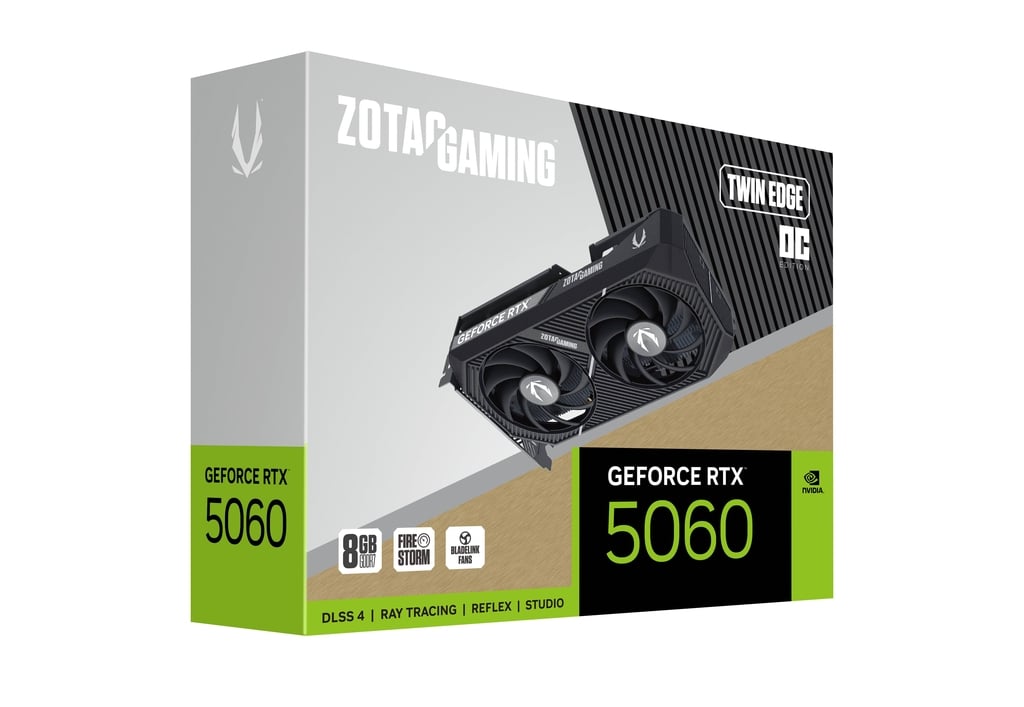
Entry-level current-genZOTAC GeForce RTX 5060 Twin Edge OC 8GB
At ₹54,999, this is the most affordable genuine RTX 50-series card in our catalog, built on NVIDIA's current Blackwell architecture with 3,840 CUDA cores and 8GB of GDDR7 memory. It's the pick if you want DLSS 4 and the newest generation without stretching into RTX 5060 Ti pricing.
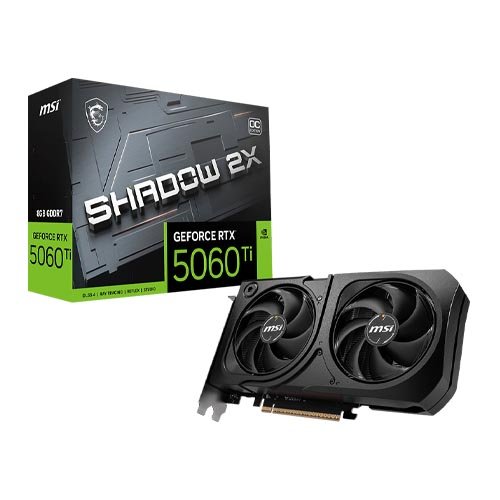
MSI GeForce RTX 5060 Ti 8GB Shadow 2X
At ₹55,999, this card costs almost the same as the RTX 5060 above but steps up to the RTX 5060 Ti's 4,608 CUDA cores, roughly 20 percent more than the standard RTX 5060, and about 16 percent faster in gaming based on independent testing. If your budget can stretch this far, it's a better use of the money than the base RTX 5060.
Mid-range tier: ₹60,000 to ₹100,000
This tier is where a well-priced RTX 40-series card can compete directly with current-gen options, alongside the 16GB RTX 5060 Ti for more VRAM headroom.
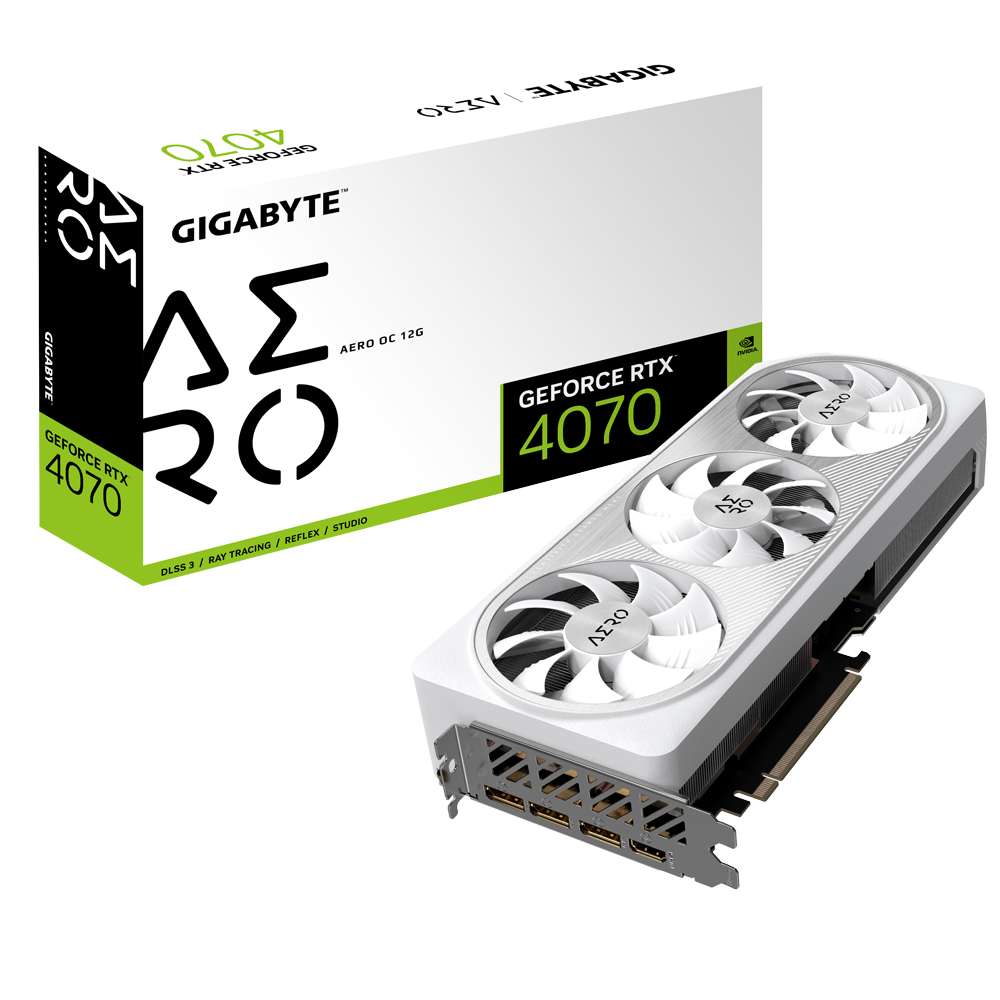
RTX 40-series valueGigabyte GeForce RTX 4070 AERO OC 12GB
At ₹79,999, this is the strongest case for buying one generation back. The RTX 4070 remains a capable 1440p card with 12GB of GDDR6X memory and 5,888 CUDA cores, and at this price it competes directly with current-gen options while often costing less for similar real-world gaming performance.
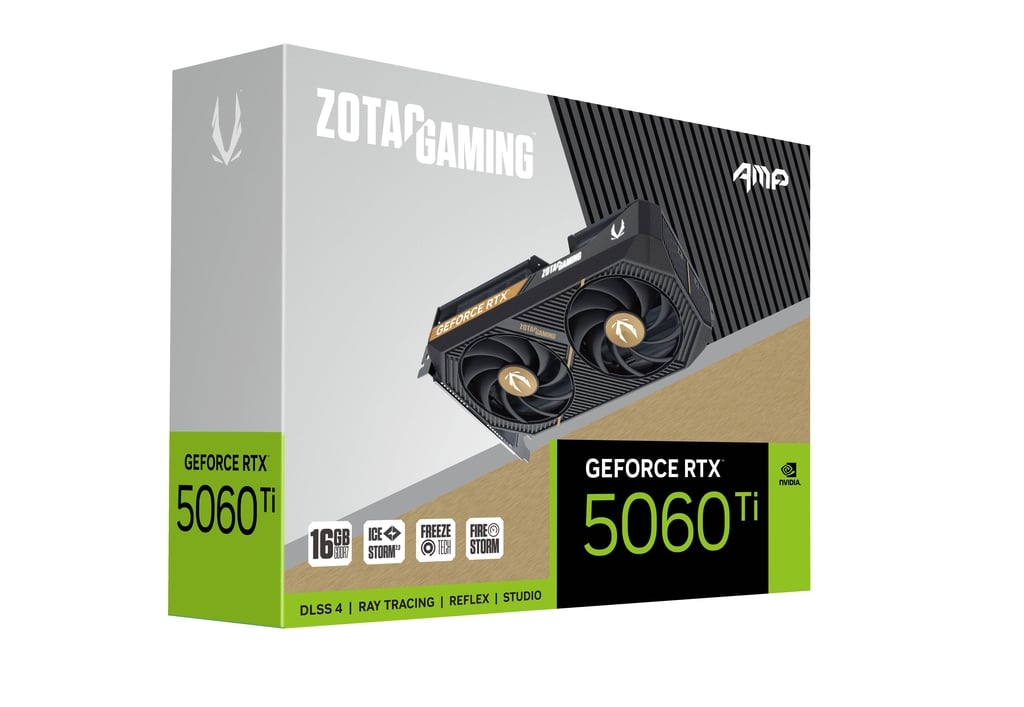
ZOTAC Gaming GeForce RTX 5060 Ti 16GB AMP
At ₹92,999, this is the 16GB version of the RTX 5060 Ti, aimed at 1440p gaming with higher texture settings or longer-term use as game VRAM requirements grow. It carries the same 4,608 CUDA cores as the 8GB version and the same roughly 13 to 27 percent lead over the RTX 4060 Ti at 1440p, so the extra cost over the 8GB card buys memory headroom rather than more compute.
High-end tier: ₹100,000 to ₹250,000
This is 1440p-at-maximum-settings and entry-4K territory.
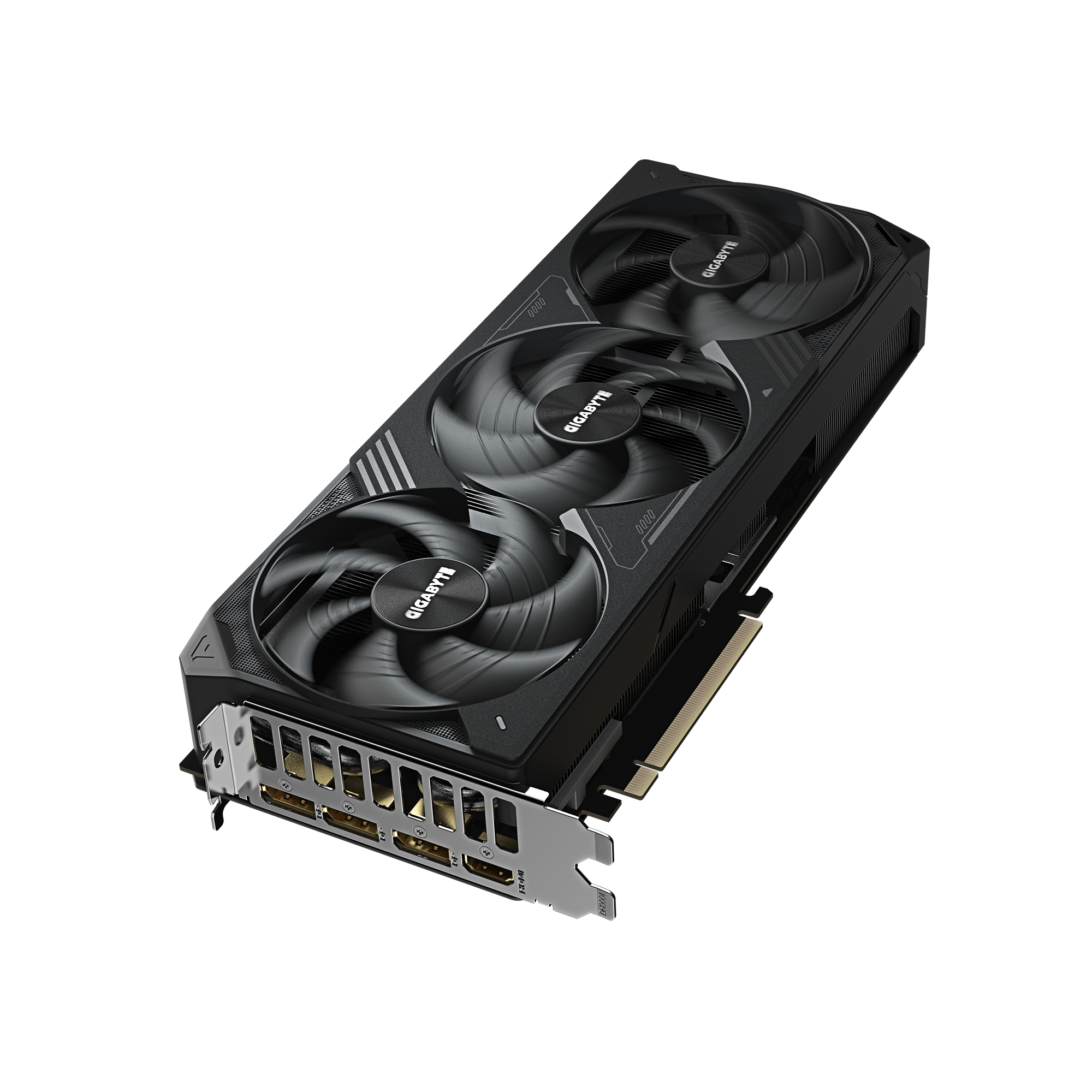
Best high-endGigabyte GeForce RTX 5070 Ti WINDFORCE OC V2 16GB
At ₹149,999, this card is built for 1440p at maximum settings and serious 4K gaming, with 8,960 CUDA cores, 16GB of GDDR7 memory, and NVIDIA's current-generation Blackwell core. In independent testing it averaged 187 FPS at 1440p Ultra across a multi-game suite, about 9 percent ahead of the RTX 4070 Ti Super, and it sits well below RTX 5080 pricing while still handling the most demanding current titles.
Flagship tier: ₹250,000 and above
There is one reasonable choice here, and it is not a card most gaming builds need.
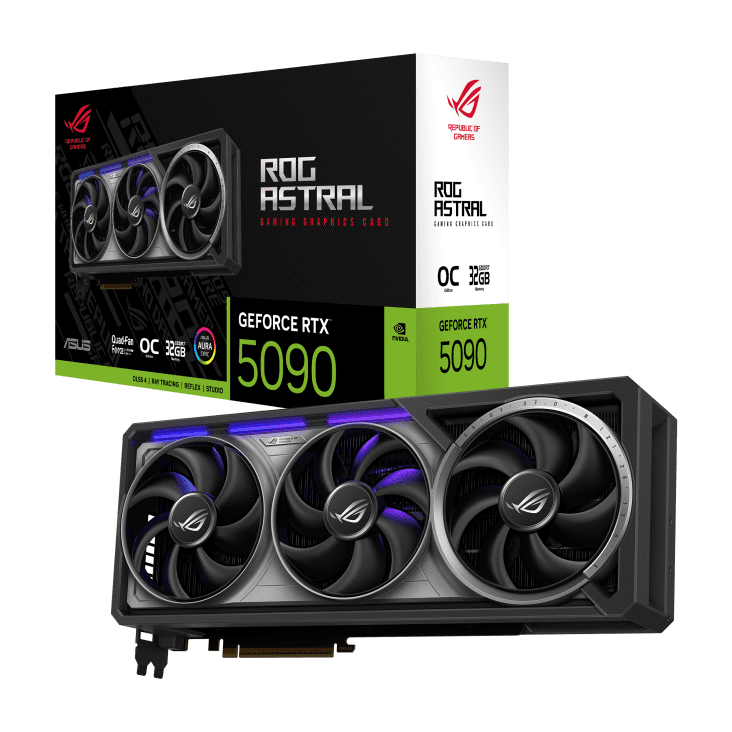
Best flagshipASUS ROG Astral GeForce RTX 5090 OC Edition 32GB
At ₹599,999, this is NVIDIA's current flagship, with 21,760 CUDA cores and 32GB of GDDR7 memory on a 512-bit bus, more than triple the VRAM of the RTX 5060 Ti. Reviewers measured 20 to 33 percent higher 4K frame rates than the RTX 4090 across a range of titles, with some rasterized benchmarks reaching as high as 50 percent and ray-traced tests landing between 27 and 35 percent. It's built for native 4K gaming at maximum settings and heavy creative or AI workloads, not a card most gaming builds need, but the one to get if nothing less will do.
Compare all six picks with live pricing
Stock and pricing shift often, so check today's listing across the full NVIDIA range before you decide.
Full pricing comparison
| Card | VRAM | Generation | Budget tier | Price in India |
|---|---|---|---|---|
| ZOTAC RTX 5060 Twin Edge OC 8GB | 8GB | RTX 50-series | Under ₹60,000 | ₹54,999 |
| MSI RTX 5060 Ti 8GB Shadow 2X | 8GB | RTX 50-series | Under ₹60,000 | ₹55,999 |
| Gigabyte RTX 4070 AERO OC 12GB | 12GB | RTX 40-series | ₹60,000-₹100,000 | ₹79,999 |
| ZOTAC RTX 5060 Ti 16GB AMP | 16GB | RTX 50-series | ₹60,000-₹100,000 | ₹92,999 |
| Gigabyte RTX 5070 Ti WINDFORCE OC V2 16GB | 16GB | RTX 50-series | ₹100,000-₹250,000 | ₹149,999 |
| ASUS ROG Astral RTX 5090 OC Edition 32GB | 32GB | RTX 50-series | ₹250,000+ | ₹599,999 |
Is the RTX 40-series still worth buying in 2026?
Yes, in specific cases. The RTX 40-series lacks DLSS 4's Multi Frame Generation and runs on GDDR6X or GDDR6 rather than the RTX 50-series' GDDR7, but cards like the RTX 4070 remain fast for 1440p gaming and sometimes cost less than an equivalent current-gen tier. It makes sense when the specific RTX 40-series card you want is priced meaningfully below its RTX 50-series equivalent; it makes less sense if the prices are close, since you'd be paying nearly current-gen money for a generation-old feature set.
More ways to compare before you buy
A latest graphics card is only as good as the rest of the system around it. Our RTX 5070 vs RTX 4070 breakdown and RTX 5080 vs RTX 4090 upgrade guide go deeper into specific generational comparisons than this overview can. For power planning, how much power supply you need for RTX 5000-series GPUs is worth reading before you order, and our best CPU pairings for the RTX 5060 without bottlenecking guide covers the CPU side of that balance.
If you're building the whole PC rather than upgrading a single part, our best GPU-CPU combos for every budget and is RTX 5000 worth it for gaming in 2026 guides are good next reads.
Price above budget?
Spread the cost with Bajaj EMI across months instead of forcing a downgrade to a lower tier.
Frequently asked questions
What is the best NVIDIA graphics card for gaming in 2026?
It depends on budget and resolution. For 1080p and 1440p on a tighter budget, the ZOTAC RTX 5060 Twin Edge OC 8GB at ₹54,999 is the strongest entry point. For serious 1440p and 4K gaming, the Gigabyte RTX 5070 Ti WINDFORCE OC V2 16GB at ₹149,999 is a stronger pick, and the ASUS ROG Astral RTX 5090 at ₹599,999 is NVIDIA's current flagship for buyers with no budget ceiling.
Is the RTX 50-series or RTX 40-series better for gaming?
The RTX 50-series is NVIDIA's current generation, built on the Blackwell architecture with GDDR7 memory and DLSS 4 Multi Frame Generation, features the RTX 40-series lacks. Independent testing shows RTX 50-series cards ahead of their RTX 40-series equivalents by roughly 9 to 33 percent depending on tier and resolution. The RTX 40-series remains a capable, sometimes better-value choice when a specific card is priced well below its RTX 50-series equivalent.
How much faster is the RTX 5090 than the RTX 4090?
Independent reviews measured the RTX 5090 delivering 20 to 33 percent higher average frame rates than the RTX 4090 at 4K across most titles, with some rasterized benchmarks reaching as high as 50 percent and ray-traced tests landing between 27 and 35 percent.
What is the latest NVIDIA graphics card generation?
The RTX 50-series, based on the Blackwell architecture, is NVIDIA's current generation. NVIDIA launched the RTX 5090 and RTX 5080 on January 30, 2025, followed by the RTX 5070 Ti and RTX 5070 in February 2025, and the RTX 5060 series in April and May 2025.
How much does a good NVIDIA graphics card cost in India?
Genuine current-gen or one-generation-old NVIDIA cards start around ₹55,000 for an entry-level RTX 5060 or RTX 5060 Ti, run through roughly ₹80,000 to ₹150,000 for RTX 4070 and RTX 5070 Ti tier cards suited to 1440p and 4K, and reach ₹600,000 for the RTX 5090 flagship.