


RTX 5080 Thermal Showdown: Is Water Cooling Necessary for Blackwell’s 360W GPU?

RTX 5080 Thermal Showdown: Is Water Cooling Necessary for Blackwell’s 360W GPU? The launch of the NVIDIA GeForce RTX 5080, based on the new Blackwell architecture, marks a major performance jump for 4K gaming, ray tracing, and AI-accelerated workloads. But with great performance uplift comes an equally important consideration-heat management.
Coming with an estimated Total Board Power or TBP of about 360 watts, the RTX 5080 squarely belongs to the high-power GPU category. Which begs a very important question for gamers, streamers, and custom PC builders in India:
Does a high-end air-cooled RTX 5080 suffice, or does liquid cooling – AIO or custom loop – finally become a practical need?
This article will show the actual thermal performance of a 360W GPU, compare real-world air cooling versus liquid cooling, and help you decide on the right choice for your needs based on use case, noise tolerance, climate, and long-term reliability.
Understanding the Thermal Challenge of the RTX 5080
At full load, the RTX 5080 draws significant power, which is converted almost entirely into heat. This heat comes from two main sources:
- The GPU core itself
- High-speed GDDR7 memory modules, which also run hot under sustained load
If that heat is not effectively taken away, the GPU reaches its thermal limit, usually in the range of 83°C to 88°C. The GPU at this point automatically cuts down the clock speeds on itself, probably a kind of behaviour known as thermal throttling. The good news is that thermal throttling doesn’t actually cause lasting damage to your hardware, but it does mean lesser consistency in performance, resulting in an overall lower average frame rate and higher fluctuation when playing more demanding games or running workloads.
Air Cooling for RTX 5080: Mature, Reliable, and Still Relevant
Modern air cooling has evolved significantly over the last few GPU generations. High-end RTX 5080 air-cooled models now use large multi-slot heatsinks, often occupying 3.5 or even 4 slots.
How Modern Air Coolers Work
- Vapour chambers spread heat quickly across the base plate
- Dense aluminium fin stacks increase surface area
- High-pressure axial fans push air through the fins efficiently
These designs are far more capable than older dual-fan solutions.
Advantages of Air-Cooled RTX 5080 Cards
- High reliability: No pumps, no liquid, no risk of leaks
- Long lifespan: Air coolers can remain effective for 8–10 years with basic cleaning
- Lower cost: Air-cooled models are usually more affordable
- Simple installation: No radiator placement or tubing considerations
For most gamers, especially those using large airflow-focused cabinets, air cooling remains a practical and safe choice.
Limitations of Air Cooling
- Large physical size can cause GPU sag and block PCIe slots
- Heat is released inside the case, increasing CPU and motherboard temperatures
- Fans can become audible under sustained heavy load
In Indian conditions, especially during the summer months, poor case airflow can amplify these drawbacks.
Liquid Cooling for RTX 5080: Lower Temperatures, Quieter Operation
Liquid cooling is no longer reserved for custom loops. Several models of RTX 5080 are said to hit the shelves with AIO (All-in-One) liquid cooling solutions right out of the factory. These cards use a cold plate directly on the GPU and memory, transferring heat to a radiator mounted elsewhere in the case.
Why Liquid Cooling Is More Efficient
Water has a much higher heat capacity than air. This allows:
- Faster heat transfer away from the GPU
- Larger heat dissipation area via 240mm or 360mm radiators
- Slower fan speeds for the same cooling performance
As a result, liquid-cooled RTX 5080 cards maintain lower temperatures under continuous load.
Advantages of Liquid Cooling
- Significantly lower load temperatures (often 15–20°C lower than air)
- More stable boost clocks, especially during long gaming sessions
- Quieter operation, ideal for noise-sensitive users
- Better fit for compact or vertical GPU builds
For streamers, creators, and enthusiasts who push the GPU for hours, these benefits are noticeable.
Limitations of Liquid Cooling
- A pump is a mechanical component with a limited lifespan
- Radiator placement requires a compatible cabinet design
- Higher upfront cost
- Slightly more complex installation and monitoring
Most AIO units are designed to last 5–7 years, which is still reasonable for a high-end build cycle.
Air vs Liquid Cooling: Expected RTX 5080 Performance Comparison
| Aspect | High-End Air Cooling | AIO Liquid Cooling |
|---|---|---|
| Idle Temperature | 35°C – 42°C | 28°C – 32°C |
| Gaming Load Temp | 72°C – 79°C | 54°C – 62°C |
| Noise Under Load | Moderate to High | Low |
| GPU Boost Stability | Variable | Very Stable |
| Case Heat Impact | High | Low |
| Long-Term Reliability | Very High | Moderate |
| Maintenance | Dust cleaning | Dust + pump monitoring |
Which Cooling Solution Makes Sense in India?
Choose Air Cooling If:
- You want maximum reliability with minimal maintenance
- You use a large, well-ventilated case
- You prefer a lower upfront cost
- You do not mind moderate fan noise under load
For most gamers playing at 1440p or 4K, a quality air-cooled RTX 5080 performs perfectly well.
Choose Liquid Cooling If:
- You want a quiet system, even under full load
- You run long gaming, rendering, or streaming sessions
- You plan to overclock the GPU
- You are building in a compact or showcase-style case
- You want consistently lower temperatures in hot climates
Liquid cooling offers more thermal headroom and smoother performance under sustained stress.
Buy RTX 5080 Top Selling GPUs Online With Best Price
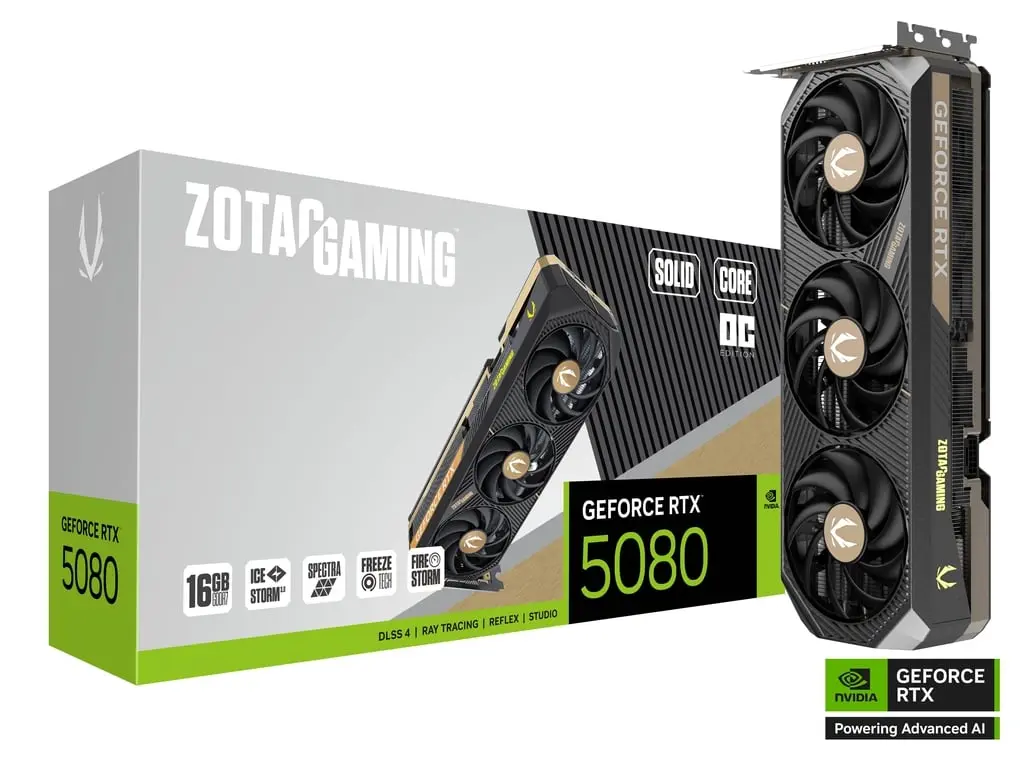
ZOTAC GAMING GeForce RTX 5080 Solid Core OC 16GB
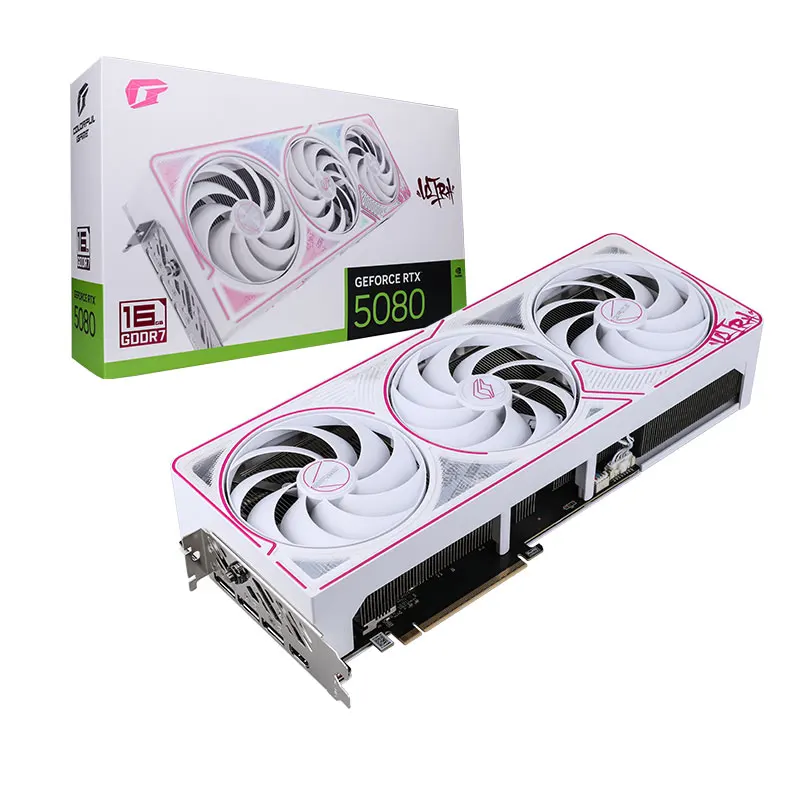
Colorful iGame GeForce RTX 5080 Ultra W OC 16GB-V
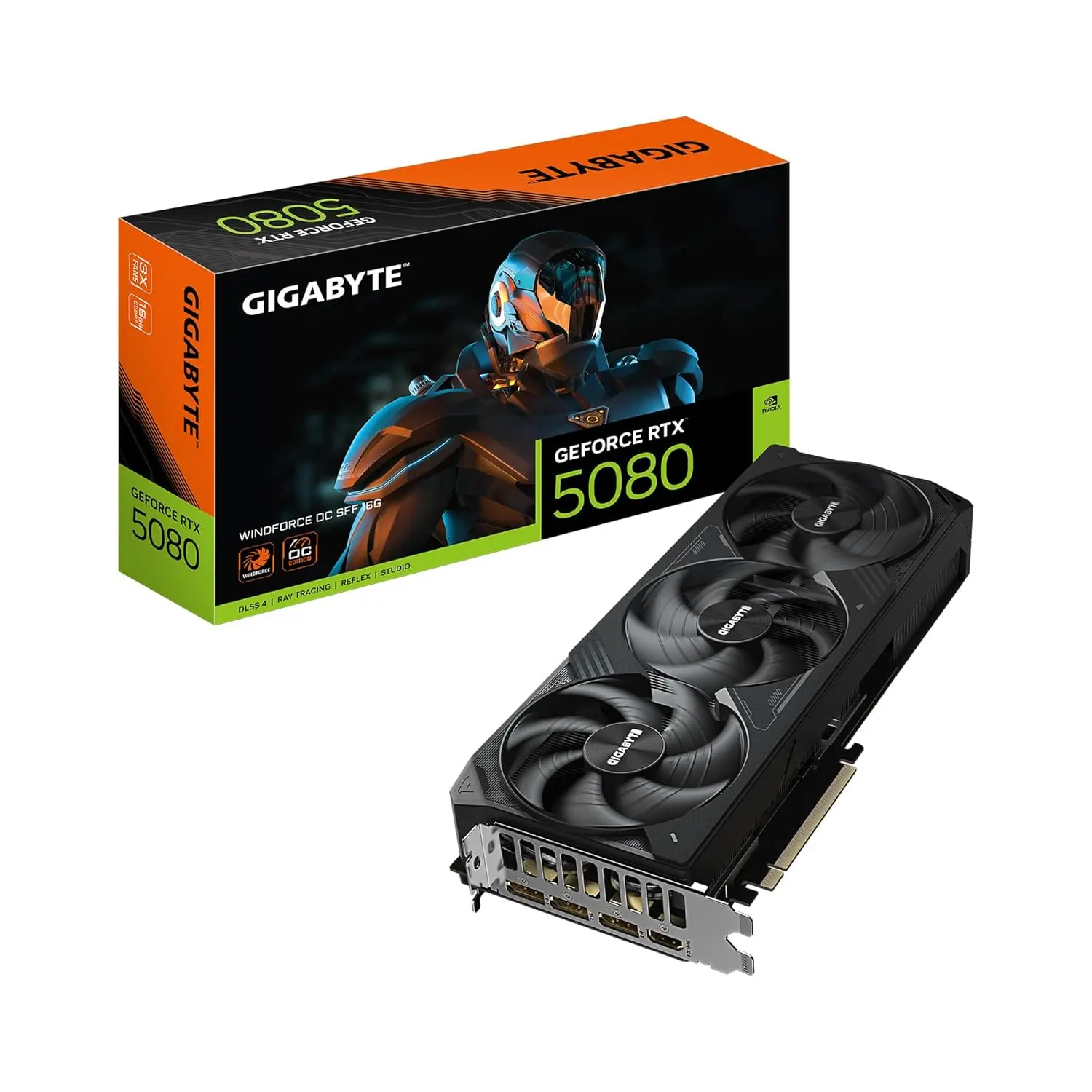
Gigabyte GeForce RTX 5080 WINDFORCE OC 16GB
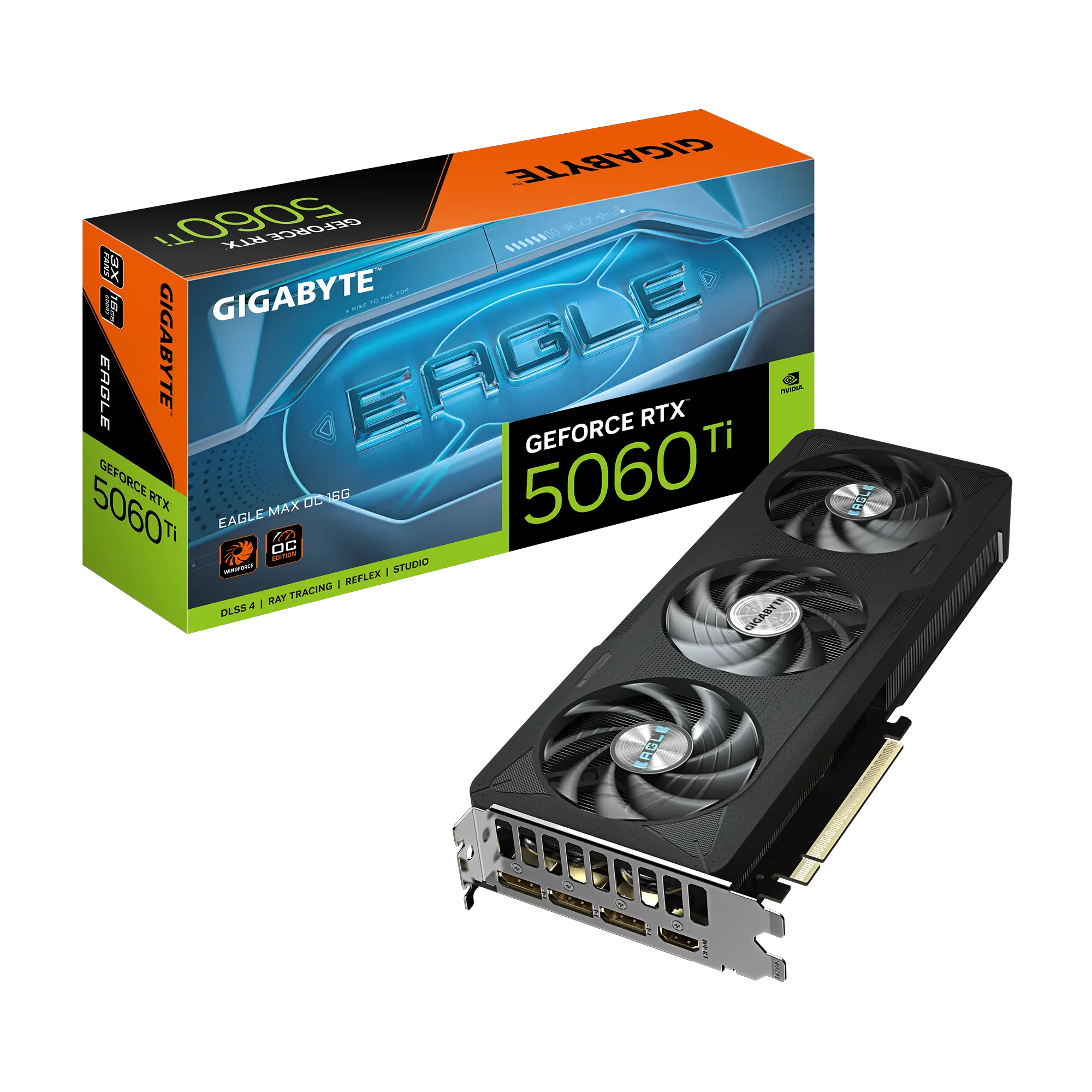
Gigabyte GeForce RTX 5060 Ti Eagle Max OC 16GB
Final Conclusion: Is Water Cooling Necessary for RTX 5080?
For most users, a good-quality air-cooled RTX 5080 is adequate and reflects the best balance between cost, reliability, and performance.
However, liquid cooling isn’t an enthusiast luxury anymore. For those users who cherish silence and thermal stability and sustained boost performance, particularly under Indian ambient conditions, an AIO-cooled RTX 5080 makes a ton of sense as an upgrade.
The question is not one of necessity but one of use case, environment, and personal prioritisation.