


Single Channel vs Dual Channel vs Quad Channel Memory — What’s Best for Gaming, Editing and Workstations

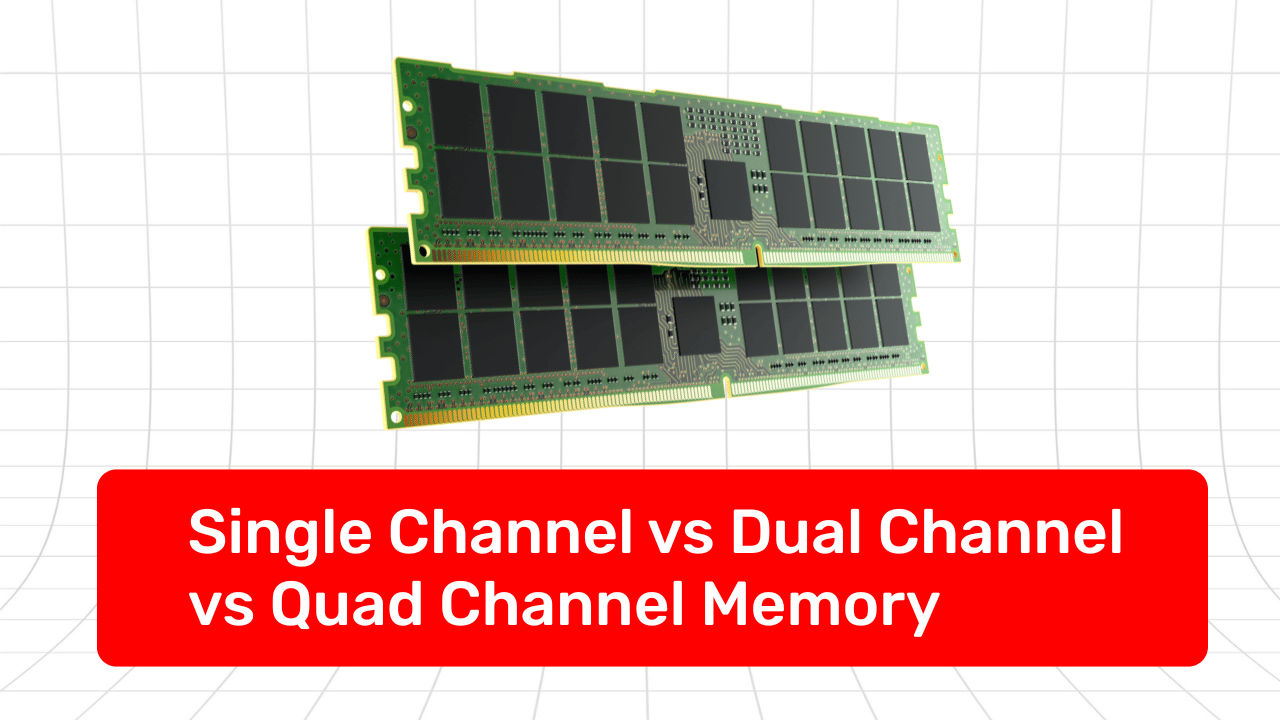
Single Channel vs Dual Channel vs Quad Channel Memory — What’s Best for Gaming, Editing and Workstations: The way a PC manages data-intensive activities like gaming, editing, rendering, and workstation workloads is greatly influenced by memory configuration. The number of memory channels significantly affects bandwidth and overall system performance, but RAM capacity and speed receive the most attention.
This guide describes the operation of single-, dual-, and quad-channel memory configurations, how they affect various workloads, and which configuration is suitable for professional workstation use, gaming, and content creation in 2026.
What Memory Channels Mean
The communication path between the RAM modules and the CPU’s memory controller is represented by a memory channel. The amount of data that can be transferred at once depends on the number of available channels.
- Single Channel: One data pathway
- Dual Channel: Two data pathways
- Quad Channel: Four data pathways
In workloads that rely on high data throughput, more channels boost memory bandwidth, which enhances system responsiveness and performance.
Single Channel Memory
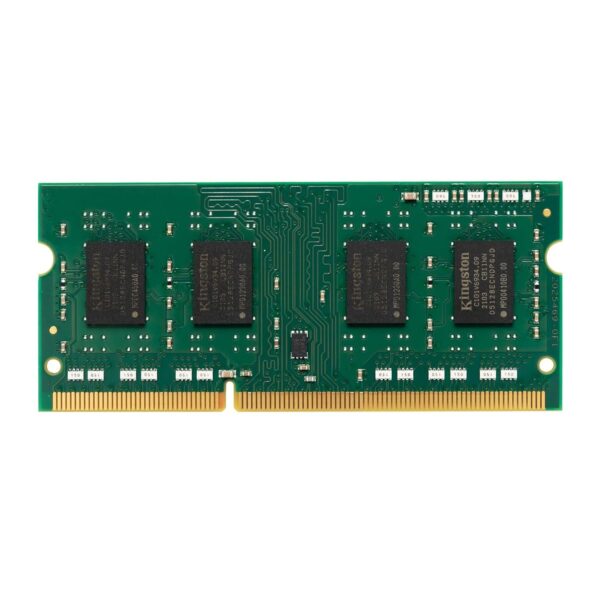
A single channel indicates that only one RAM module is installed on the system. Of the three configurations, this one has the least amount of memory bandwidth but is still functional.
Performance Characteristics
- Lower memory bandwidth
- Reduced performance in CPU-bound games
- More frequent drops in frame consistency
- Slower performance in editing, rendering and multitasking
- Noticeable limitations with large files and complex software
Practical Use Cases: Only simple systems meant for widespread use, like web browsing, basic office tasks, and lightweight applications, are appropriate for single-channel memory. It is not advised for any workload that requires more bandwidth, such as gaming.
Dual Channel Memory
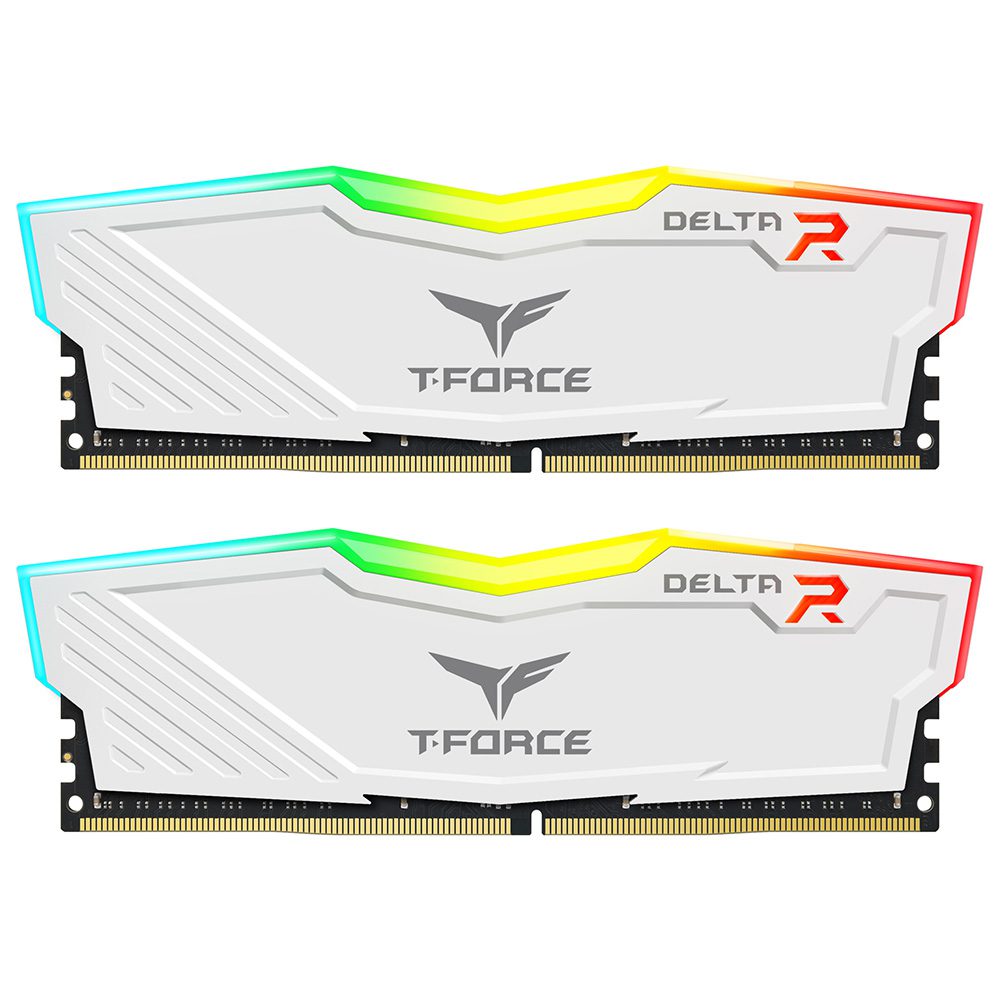
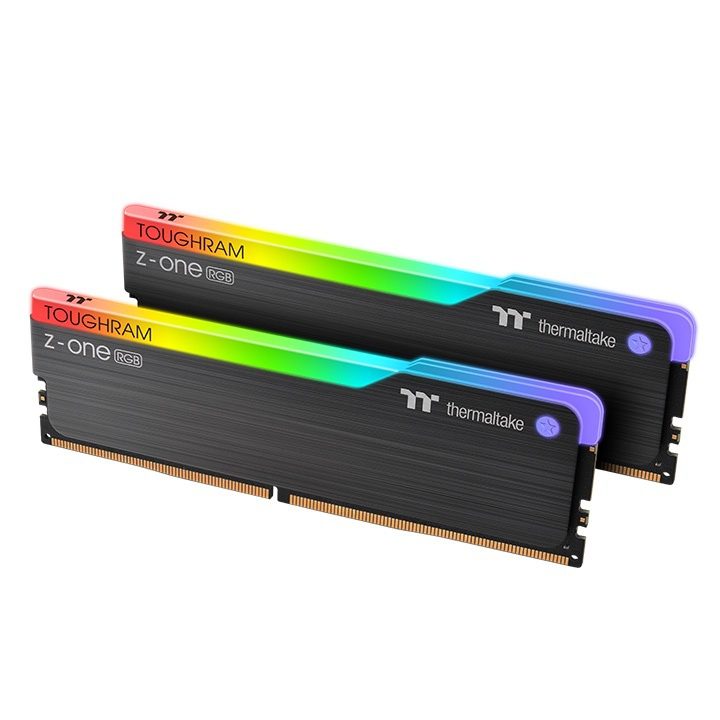
Compared to single-channel memory, dual-channel memory doubles the available memory bandwidth by using two RAM modules. The majority of contemporary gaming and productivity systems come with this configuration.
Performance Characteristics
- Higher bandwidth improves data throughput
- Smoother performance in most modern games
- Better handling of multitasking scenarios
- Faster loading and improved performance in editing applications
- More consistent frame pacing in open-world and CPU-heavy titles
Practical Use Cases: Dual channel is the most suitable configuration for:
- 1080p and 1440p gaming
- Video editing up to 4K
- Every day, productivity and multitasking
- Game streaming
- Coding and general development workloads
For the majority of users in 2026, dual-channel memory offers the best balance of cost and performance.
Quad Channel Memory
Quad channel memory offers much higher memory bandwidth by utilising four modules. Only workstation-grade CPUs and motherboards are compatible with this configuration.
Performance Characteristics
- Substantial increase in memory bandwidth
- Faster performance in data-intensive workloads
- Improved stability in professional applications
- Better handling of large datasets and complex calculations
- Higher efficiency in rendering and simulation tasks
Practical Use Cases: Quad channel memory is appropriate for high-end workflows such as:
- 4K and 8K video editing
- Professional 3D rendering and animation
- Engineering, scientific and simulation workloads
- Virtual machines and container-based environments
- Large-scale data processing
Quad channel offers no meaningful benefit for typical gaming workloads and is intended specifically for workstation users.
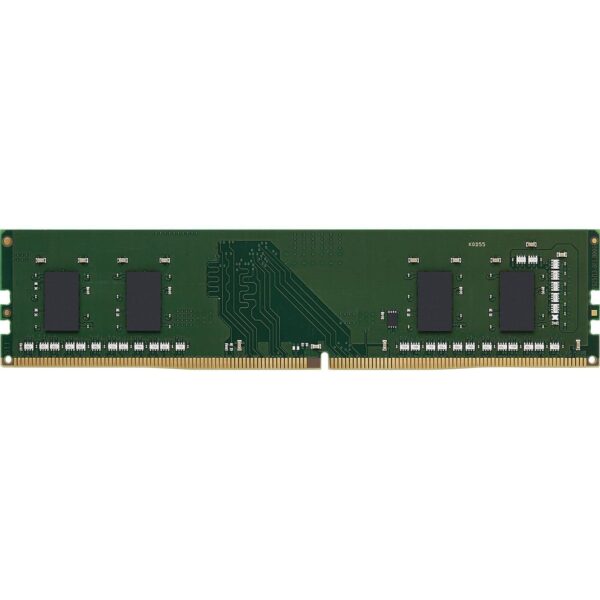
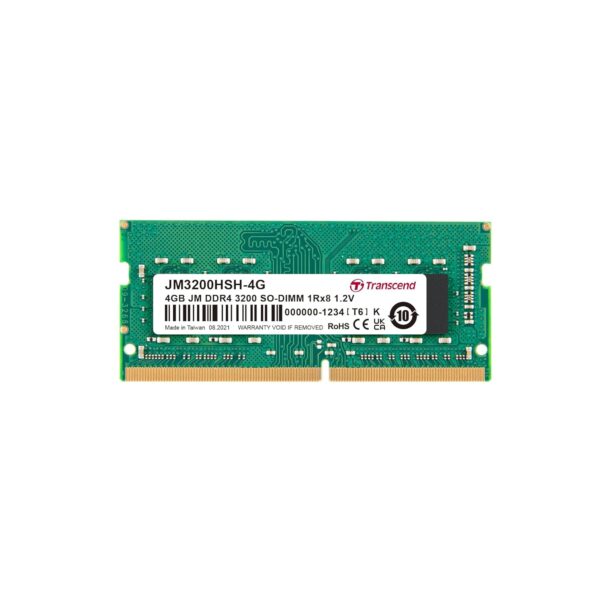
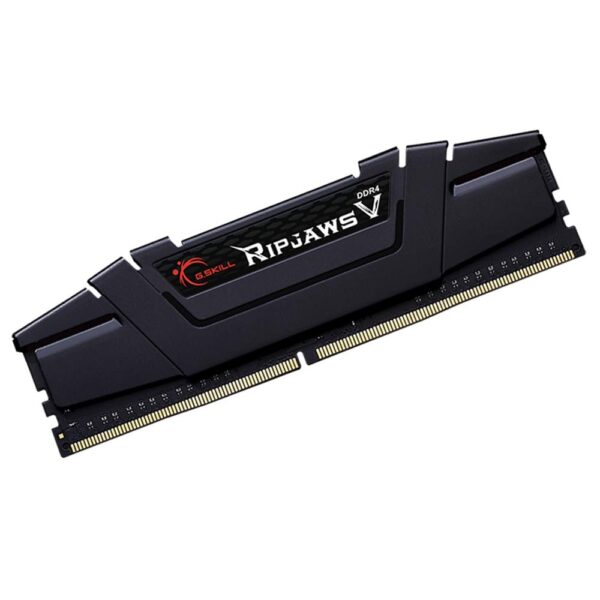
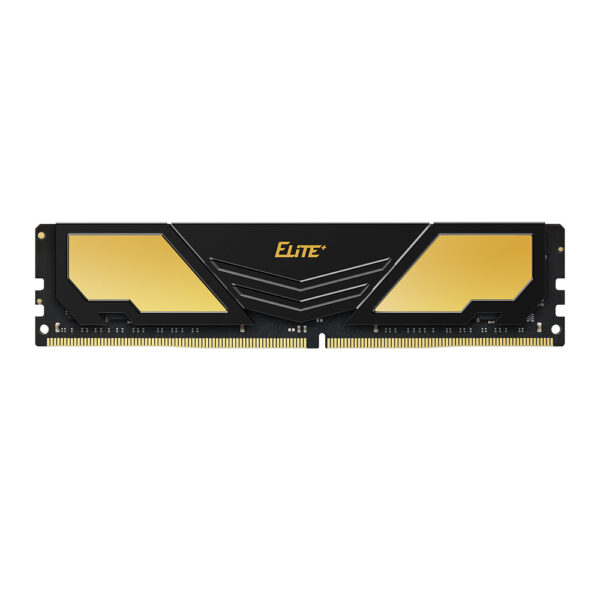
Which Configuration Should You Choose?
- For Gaming: Dual-channel provides the best performance and is strongly recommended for any gaming system in 2026. It improves frame consistency, loading times and system responsiveness.
- For Editing: Dual-channel memory is sufficient for most editing workloads, including 1080p and 4K projects. Professionals working with 6K, 8K or multi-layer timelines benefit from quad channel.
- For Workstations: Quad channel is the correct choice for scientific, engineering, rendering or simulation workloads due to the significant bandwidth advantages it provides.
Final Conclusion: Single Channel vs Dual Channel vs Quad Channel Memory
A system’s memory configuration has a direct impact on how well it runs workstation, editing, and gaming programs. Memory with a single channel is only appropriate for simple applications. For the majority of gaming and productivity systems, dual channel provides the best performance, whereas quad channel is intended for professional workloads that require high memory throughput.
Making the correct configuration guarantees longer platform relevance, improved system stability, and more seamless performance.